
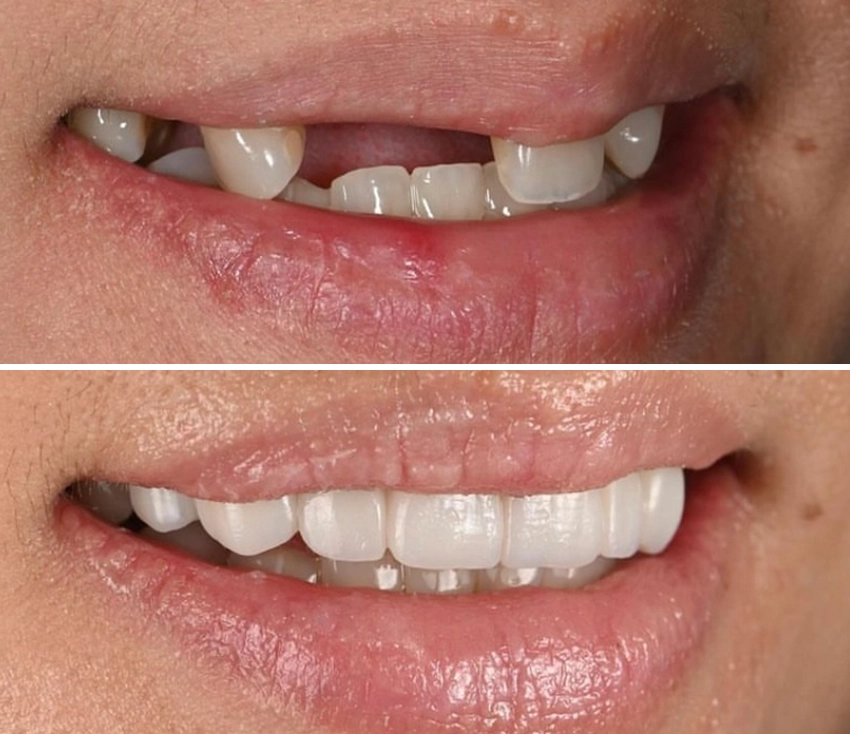
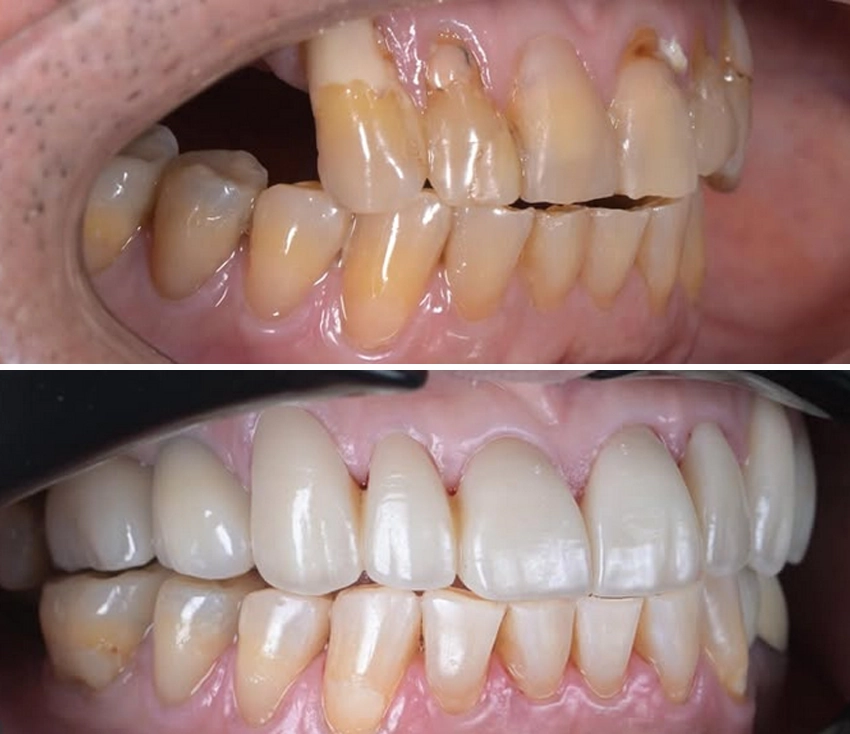
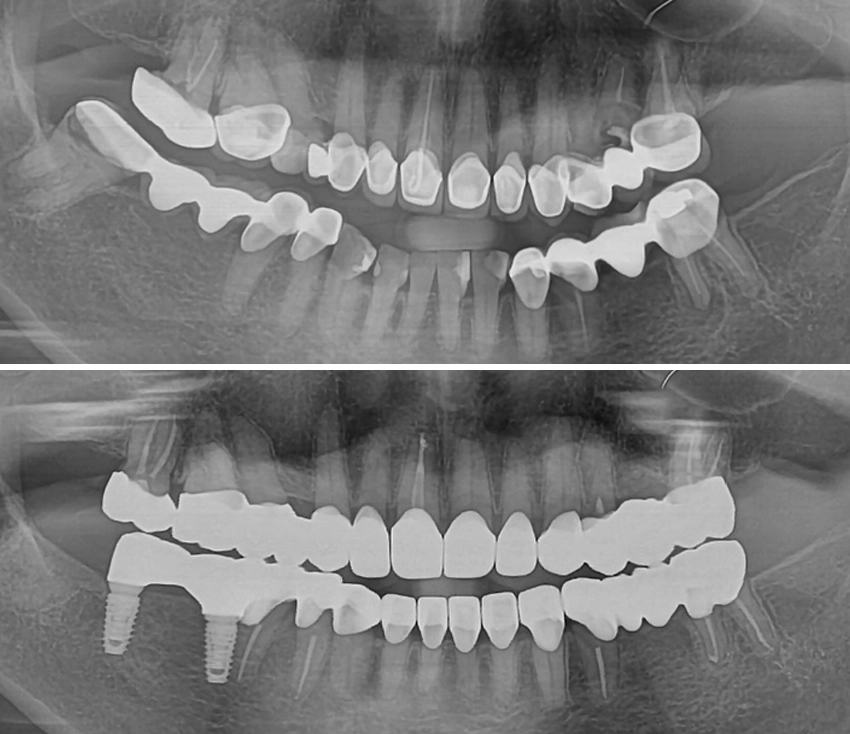
Dental Implant
A dental implant is a procedure used to replace the root of a missing tooth with a titanium implant placed into the jawbone.
A Natural-Looking and Comfortable Solution for Missing Teeth
Losing a tooth does not only affect appearance — it can also impact chewing function, bite stability, and the long-term health of the surrounding teeth and gums.
As prosthodontists, one of the most common situations we encounter is patients beginning to feel uncomfortable chewing on one side, nearby teeth starting to shift, or reduced confidence after tooth loss. Unfortunately, many patients still hesitate to undergo dental implant treatment because they assume the procedure is complicated or painful.
In reality, with the advancement of modern implant dentistry, dental implants have become one of the most stable, natural-looking, and comfortable long-term solutions for replacing missing teeth.
At PUTIH Dental, dental implant treatment is performed by prosthodontic specialists and Master of Implantology-trained dentists using a more detailed, modern, and comprehensively planned approach to help achieve more precise and comfortable treatment outcomes.
What Is a Dental Implant?
A dental implant is a procedure used to replace the root of a missing tooth with a titanium implant placed into the jawbone. Once the implant integrates with the bone, it serves as the foundation for a dental crown that looks and functions similarly to a natural tooth.
Unlike removable dentures, dental implants are more stable because they are directly connected to the jawbone.
Dental implants are commonly used to:
- Replace a single missing tooth
- Replace multiple missing teeth
- Support bridges or dentures
- Restore chewing function and smile aesthetics
When Are Dental Implants Needed?
Dental implants may be recommended for patients who experience:
- Loss of one or more teeth
- Teeth that can no longer be preserved
- Difficulty chewing due to missing teeth
- Discomfort from removable dentures
- Functional and aesthetic concerns caused by tooth loss
As prosthodontists, preserving chewing function and bite stability is important because untreated tooth loss over time can affect the condition of the jawbone, gums, and surrounding teeth.
The longer a missing tooth area is left untreated, the more complex the treatment may become due to changes in the supporting bone and soft tissue. That is why early evaluation can help make treatment more predictable and optimal for the long term.
Does Getting a Dental Implant Hurt?
Questions like “Does a dental implant hurt?” are very common before treatment.
Most patients generally experience only mild discomfort after the procedure, especially during the first few days. With modern techniques, local anesthesia, and detailed treatment planning, dental implant placement today can usually be performed far more comfortably than many people expect.
As dentists, many patients at PUTIH Dental initially feel nervous about implant treatment, but after the procedure, they often say the experience was much more comfortable than they had imagined.
Why Is Dental Implant Planning So Important?
The success of dental implants depends not only on the implant placement itself, but also on detailed treatment planning before the procedure begins.
Every patient has different jawbone conditions, gum anatomy, nerve positions, and bite patterns. That is why implant treatment must be planned individually to help achieve more precise, comfortable, and stable long-term results.
At PUTIH Dental, every implant case begins with a comprehensive evaluation using:
- Digital radiographs, including panoramic radiographs (2D X-rays) and CBCT scans (3D imaging)
- Digital intraoral scanners
These technologies are all available at PUTIH Dental and help dentists evaluate the jawbone, nerve position, bite structure, and implant area in greater detail. This allows treatment to be planned more precisely while helping minimize risks and implant complications.
The Use of Surgical Guides in Dental Implant Treatment
At PUTIH Dental, dental implant placement is performed with the assistance of surgical guides to help improve implant positioning accuracy.
A surgical guide is a digital guide created based on scans and computerized treatment planning before surgery.
With surgical guides:
- Implant positioning can be planned more precisely
- Implant placement becomes more controlled and measurable
- Tissue trauma can be minimized
- Aesthetic and functional outcomes can be optimized
- Surgical time may become shorter
- Healing can improve
This approach helps make implant treatment more modern, detailed, and controlled.
Why Is Implant Brand Selection Important?
Today, many dental implant brands are available. However, differences in material quality, clinical research, and implant systems can influence stability and long-term outcomes.
At PUTIH Dental, internationally recognized implant systems are used, including one of the most widely utilized systems in modern implant dentistry worldwide.
Using high-quality implant systems helps support:
- Precision placement
- Implant stability
- Better bone integration
- Long-term durability
The Dental Implant Approach at PUTIH Dental
At PUTIH Dental, dental implant treatment is performed by specialists with local and international educational backgrounds using a detailed, modern, and carefully planned approach.
The goal of treatment is not only to replace missing teeth, but also to help restore:
- Chewing function
- Bite stability
- Everyday comfort
- A natural-looking smile
Before treatment begins, each patient undergoes a thorough evaluation using digital radiographs, CBCT scans, and digital intraoral scanners to help assess bone conditions, nerve positions, and the implant area in greater detail. This level of planning is important to help minimize risks while supporting long-term implant success.
During implant planning and placement, PUTIH Dental utilizes digital dentistry workflows and surgical guides to help ensure implant placement is more precise, accurate, and tailored to each patient’s condition.
In addition, the implant systems used meet international standards and are among the most widely used systems in modern implant dentistry worldwide.
As dentists, we understand that many patients feel anxious before implant treatment because they imagine the procedure to be complicated, painful, or intimidating. However, with modern technology, detailed planning, and the right approach, implant procedures today can generally be performed much more comfortably and predictably than many people expect.
How Long Do Dental Implants Last?
With proper bone conditions and good maintenance, dental implants can last for many years and even long term.
However, implant success does not depend solely on the placement procedure. Several factors can influence implant longevity, including:
- Oral hygiene
- General health conditions
- Smoking habits
- Routine dental checkups
That is why post-treatment maintenance remains an important part of long-term implant success.
FAQ Dental Implants
Are dental implants safe?
Dental implants are a commonly performed procedure for replacing missing teeth when proper examination and treatment planning are carried out.
How long does dental implant treatment take?
Treatment duration varies depending on bone condition and the type of treatment required.
Do dental implants look natural?
Yes. Dental implants are designed to resemble natural teeth in both appearance and function.
Can everyone get dental implants?
Not always. Evaluation of bone condition, gum health, oral hygiene, bite patterns, and overall health is still necessary before treatment.
Consult Now
Other Treatments
Scaling
Basic Treatment

Whitening
Basic Treatment
Dental Fillings
Restoration
Braces & Clear Aligner
Orthodontics