
Orthodontic Treatment & Braces
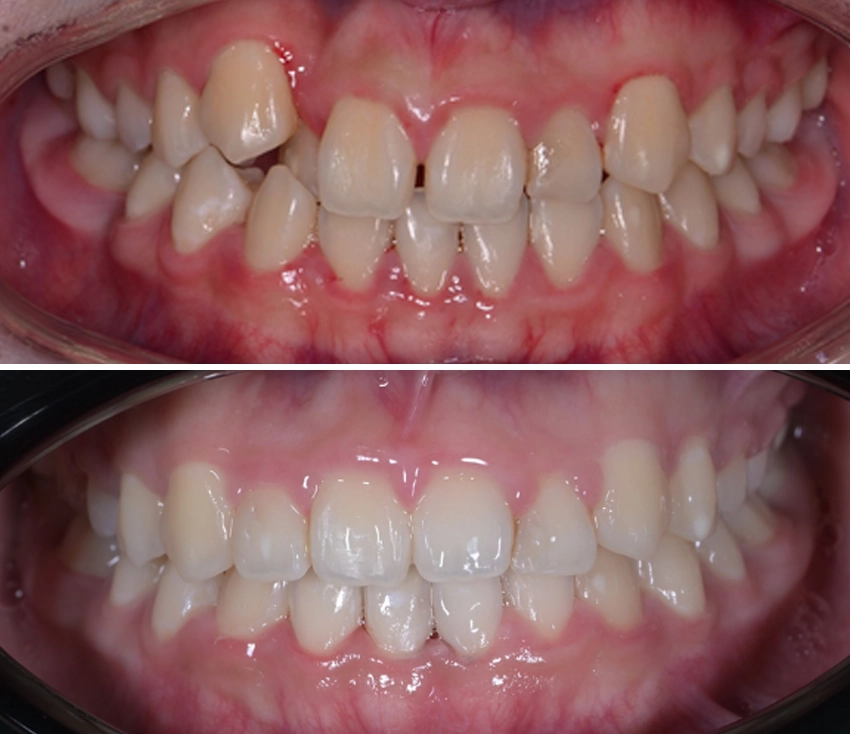
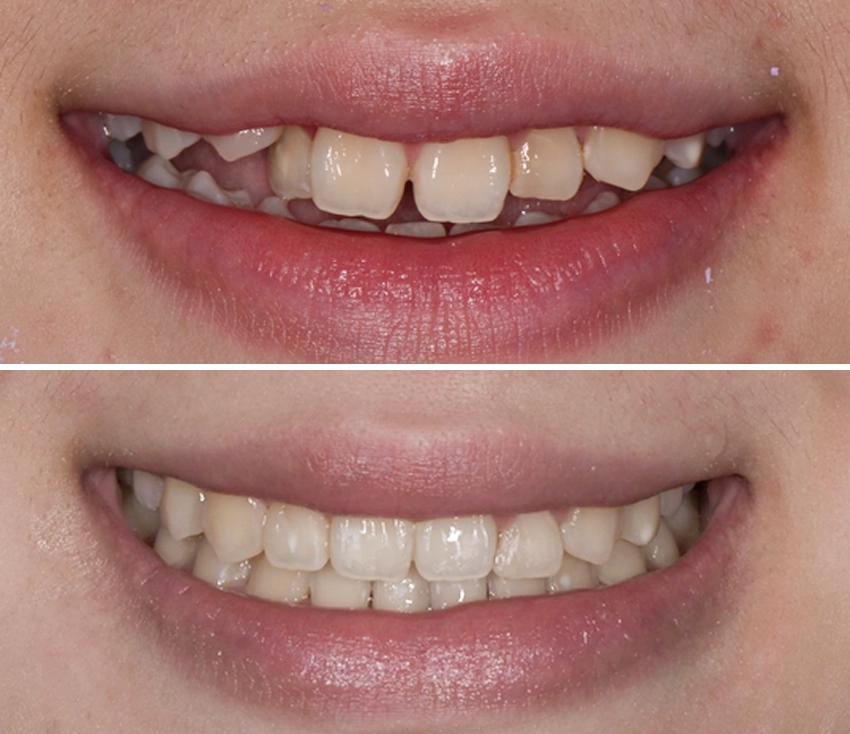
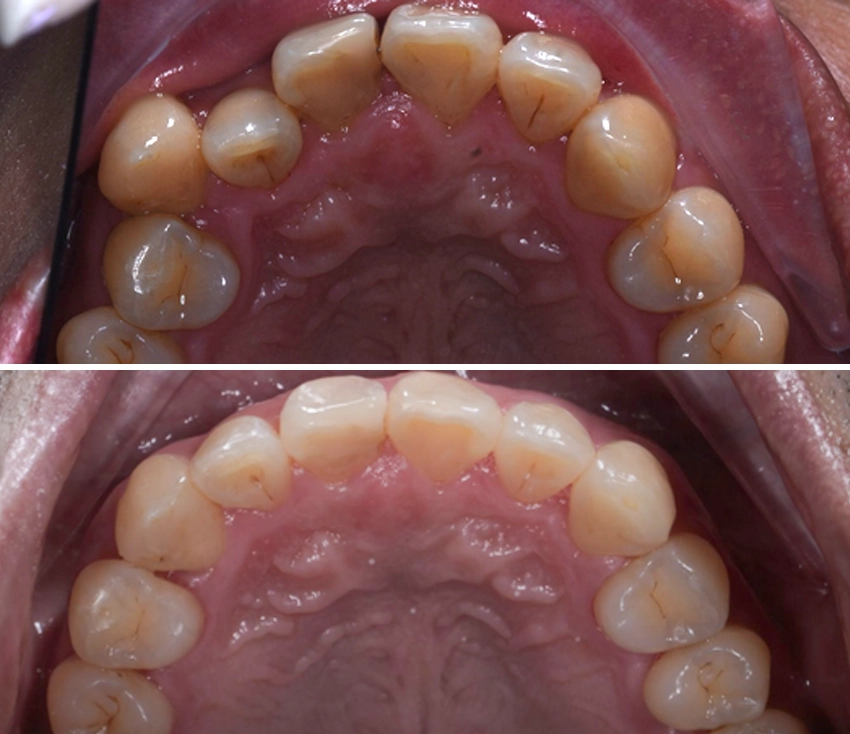
Braces are orthodontic treatments that use brackets and wires to gradually move teeth into a more aligned position and improve bite balance.
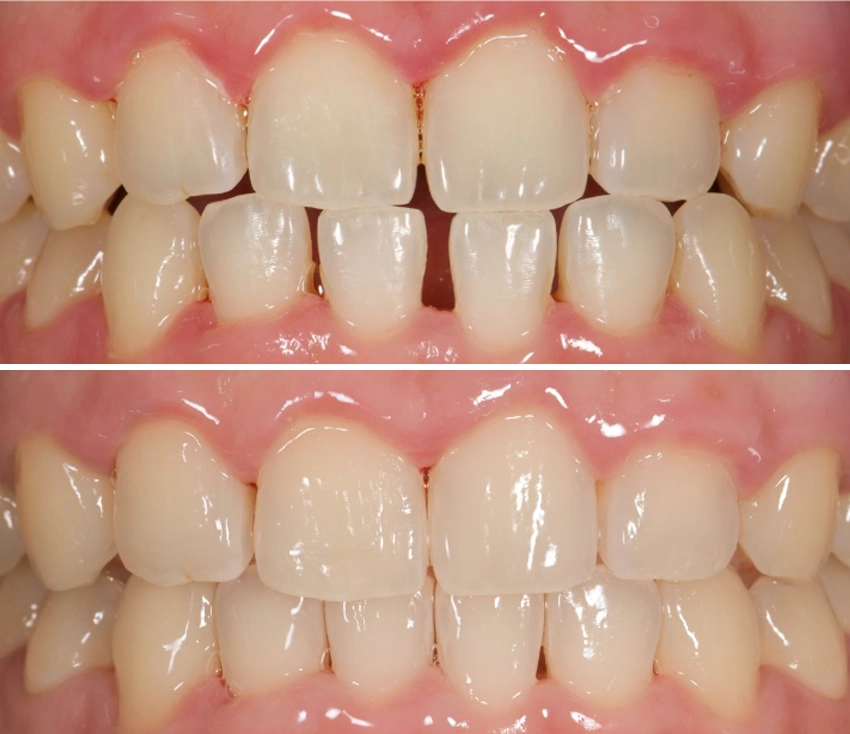
Clear aligners are orthodontic treatments that use transparent custom-made trays designed according to each patient’s teeth alignment.
Braces vs Clear Aligners: Which Is Better for Straightening Teeth?
Today, the desire to straighten teeth is no longer only about aesthetics, but also about comfort, oral health, and overall bite function. As orthodontic treatments continue to evolve, patients now have more options — from conventional braces to more transparent and minimal clear aligners.
One of the most common questions we hear during consultations is: “Which is better for me — braces or clear aligners?”
The answer can vary for each individual. Tooth alignment, lifestyle, and comfort during treatment are some of the important factors that need to be considered before choosing the most suitable orthodontic treatment.
As dentists, we often meet patients who assume that straightening teeth is only about achieving a more aesthetic smile. In reality, orthodontic treatment can also help improve bite function, make teeth easier to clean, and support long-term oral health.
At PUTIH Dental, every orthodontic treatment is planned personally and performed by certified orthodontists and orthodontic specialists using a more modern, detailed, and carefully planned approach. The focus is not only on aesthetic results, but also on patient comfort and long-term treatment stability.
What Are Braces and Clear Aligners?
Braces
Braces are orthodontic treatments that use brackets and wires to gradually move teeth into a more aligned position and improve bite balance.
As dentists, braces remain one of the most effective treatments for a wide range of cases, from crowded teeth and protruding teeth to more complex bite problems.
Today, braces have evolved beyond conventional metal braces. Common options include:
- Conventional metal braces
- Self-ligating braces such as Damon braces
Each type of braces has different characteristics and advantages, so the choice is usually tailored to each patient’s dental condition and needs.
Clear Aligners
Clear aligners are orthodontic treatments that use transparent custom-made trays designed according to each patient’s teeth alignment.
Aligners work by applying gradual and gentle pressure to slowly move teeth into a more ideal position.
Because they are transparent and removable during eating or brushing, clear aligners have become increasingly popular, especially among adults or patients looking for a more minimal and discreet orthodontic treatment.
As dentists, many patients choose clear aligners because they feel more comfortable and flexible for daily life, especially for work or social activities that involve meeting many people.
At PUTIH Dental, several clear aligner options are available, including Klar Aligner and Invisalign, which can be tailored to the patient’s dental condition, case complexity, and treatment goals after a thorough consultation and evaluation.
The Difference Between Braces and Clear Aligners
Aesthetic Appearance
One of the biggest differences is appearance.
Braces
Brackets and wires are visible on the teeth, although some options such as ceramic braces can provide a subtler appearance compared to metal braces.
Clear Aligners
They are nearly transparent, making them look more minimal and discreet during daily use. Many adult patients prefer clear aligners because they want orthodontic treatment without noticeable braces.
Comfort During Treatment
Braces
During the initial placement or after routine adjustments, patients may feel pressure and friction from the brackets or wires.
Clear Aligners
Since aligners do not use brackets or wires, they generally feel smoother against the soft tissues inside the mouth.
However, both treatments can still create mild pressure as the teeth gradually move.
Flexibility and Lifestyle
Braces
Braces remain attached throughout treatment, so patients need to be more careful with certain foods and maintain more detailed oral hygiene.
Clear Aligners
Aligners can be removed while eating and brushing, making them more flexible for daily routines and oral hygiene. However, they must be worn consistently according to the dentist’s instructions to achieve optimal results.
Effectiveness for Straightening Teeth
Both braces and clear aligners can help straighten teeth, but their effectiveness depends on each patient’s condition.
Braces
Braces are generally more versatile for complex orthodontic cases such as:
- Severe crowding
- Significant tooth rotation
- Certain bite problems
Clear Aligners
Clear aligners are suitable for many mild to moderate cases, especially for patients who prioritize aesthetics and flexibility during treatment. With advancements in digital dentistry, clear aligners are now capable of treating a wider variety of cases than before.
Are Clear Aligners Faster Than Braces?
One of the most frequently asked questions during orthodontic consultations is: “Are clear aligners faster than braces?”
The answer depends on each patient’s condition. Treatment duration is influenced not only by the type of appliance used, but also by factors such as:
- Complexity of tooth alignment
- Bite condition
- Amount of tooth movement needed
- Patient compliance
- Individual biological response to tooth movement
In some mild to moderate cases, clear aligners may feel more practical and efficient, especially when worn consistently according to instructions.
However, for more complex cases — such as severe crowding, significant rotations, or certain bite issues — braces may still provide better control for more detailed and precise tooth movement.
As dentists, we often see patients who assume clear aligners are always faster than braces. In reality, the most important factor is not simply treatment duration, but whether the treatment can achieve healthy, stable, and functional long-term results.
That is why a thorough evaluation is still necessary before deciding on orthodontic treatment, so the treatment plan can be tailored to each patient’s specific needs rather than solely based on appliance preference.
Do Braces or Clear Aligners Hurt More?
Questions such as “Do braces hurt?” or “Do aligners hurt?” are very common.
With both treatments, patients may experience:
- Mild pressure during the beginning of treatment
- Temporary sensitivity as teeth move
- Adjustment during the first few days
However, with modern orthodontic approaches, discomfort is generally manageable and temporary.
Who Is Suitable for Braces?
Braces may be a good option for patients with:
- More complex tooth alignment
- Significant bite problems
- Cases requiring more detailed tooth movement
Because braces are fixed appliances, they also do not depend on patient compliance in removing and wearing aligners.
Who Is Suitable for Clear Aligners?
Clear aligners are commonly chosen by:
- Adults
- Children
- Active professionals
- Patients who prioritize aesthetics
- Patients looking for more flexibility
This treatment is also ideal for patients who want a more discreet orthodontic experience
Which Is Better: Braces or Clear Aligners?
Questions like “Which is better — braces or clear aligners?” are very common during orthodontic consultations.
As dentists, many patients feel overwhelmed by the number of options available for straightening teeth today. Some prioritize faster results, others focus on aesthetics, while some simply want the most comfortable treatment for daily life.
In reality, there is no single treatment that is ideal for everyone.
In some cases, braces may offer more optimal control for complex tooth and bite movements. In other cases, clear aligners may provide a more comfortable and flexible option, especially for patients seeking a more minimal appearance.
A good orthodontic treatment is not only about making teeth look straighter, but also about helping achieve:
- A more balanced bite
- Teeth that are easier to clean
- Long-term stability
- Greater comfort throughout treatment
Lifestyle also plays an important role. Some patients prefer clear aligners because they can be removed while eating and brushing, while others are better suited for braces depending on their orthodontic needs.
That is why a thorough consultation and evaluation remain essential before deciding on treatment. With the proper examination, orthodontists can help determine the most suitable treatment not only from an aesthetic perspective, but also for long-term oral health and function.
Consult Now
Other Treatments
Scaling
Basic Treatment

Whitening
Basic Treatment
Dental Fillings
Restoration
Braces & Clear Aligner
Orthodontics