
Dental Fillings & Tooth Restoration Treatment
A tooth filling is a procedure used to repair damaged, decayed, or slightly cracked teeth so their shape and function can be restored properly.
Tooth Filling: When Does a Cavity Need to Be Filled?
Cavities are often only noticed once the tooth starts feeling sensitive or painful. In reality, tooth decay usually begins much earlier and can continue spreading deeper into the tooth if left untreated.
As dentists, one of the most common situations we encounter is patients coming in when the cavity has already become quite large, food frequently gets trapped, or the pain starts interfering with daily activities. At this stage, the treatment often becomes more complex compared to treating it earlier.
In many cases, early tooth fillings can help preserve the natural tooth structure and prevent the problem from progressing further.
At PUTIH Dental, tooth fillings are performed with a gentler and minimally invasive approach to help preserve the natural structure of the tooth while maintaining long-term comfort and function.
What Is a Tooth Filling?
A tooth filling is a procedure used to repair damaged, decayed, or slightly cracked teeth so their shape and function can be restored properly.
As dentists, the main goal of a filling is not simply to “close a hole,” but to stop the decay from progressing deeper into the tooth.
In some cases, a small cavity can gradually spread to the dental nerve and eventually cause pain or infection if left untreated.
Tooth fillings help:
- Stop the progression of tooth decay
- Prevent further infection
- Restore chewing comfort
- Preserve as much natural tooth structure as possible
The earlier a cavity is treated, the simpler the procedure usually becomes and the greater the chance of preserving the natural tooth structure.
When Does a Tooth Need a Filling?
Not all cavities immediately cause pain. In the early stages, tooth decay often develops slowly without obvious symptoms.
As dentists, we frequently see patients with mild complaints such as slight sensitivity to cold drinks or food constantly getting stuck in a certain area. After examination, it often turns out that a cavity has already started developing.
Signs that a tooth may need a filling include:
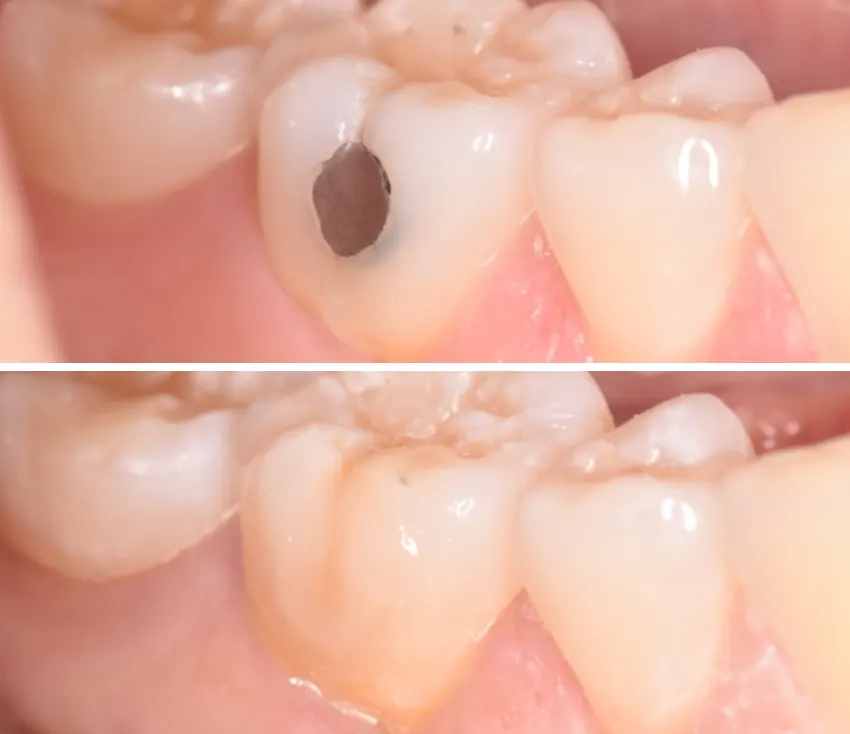
- A visible small hole in the tooth
- Sensitivity to sweets, cold, or hot foods
- Brown or dark stains on the tooth
- Food frequently getting trapped in certain areas
- Rough or uneven tooth surfaces
In some cases, cavities are only discovered during routine dental checkups or through X-rays. That is why regular dental visits remain important even when there is no pain or discomfort.
Does a Tooth Filling Hurt?
Questions like “Does getting a filling hurt?” are very common before treatment.
In many cases, tooth fillings can be performed quite comfortably, especially if the cavity has not become too deep yet.
Most patients usually only experience:
- Slight pressure during the procedure
- Mild temporary sensitivity while the tooth is being cleaned before the filling is placed
In certain situations — particularly if the cavity is already deep or sensitive — local anesthesia may be used to make the treatment more comfortable.
As dentists, many patients initially feel anxious before getting a filling, but after the procedure, they often say the experience was much easier than they expected.
With modern techniques and technology, tooth fillings today can generally be performed more gently and with minimal discomfort compared to the past.
Types of Dental Fillings
Composite Resin Fillings
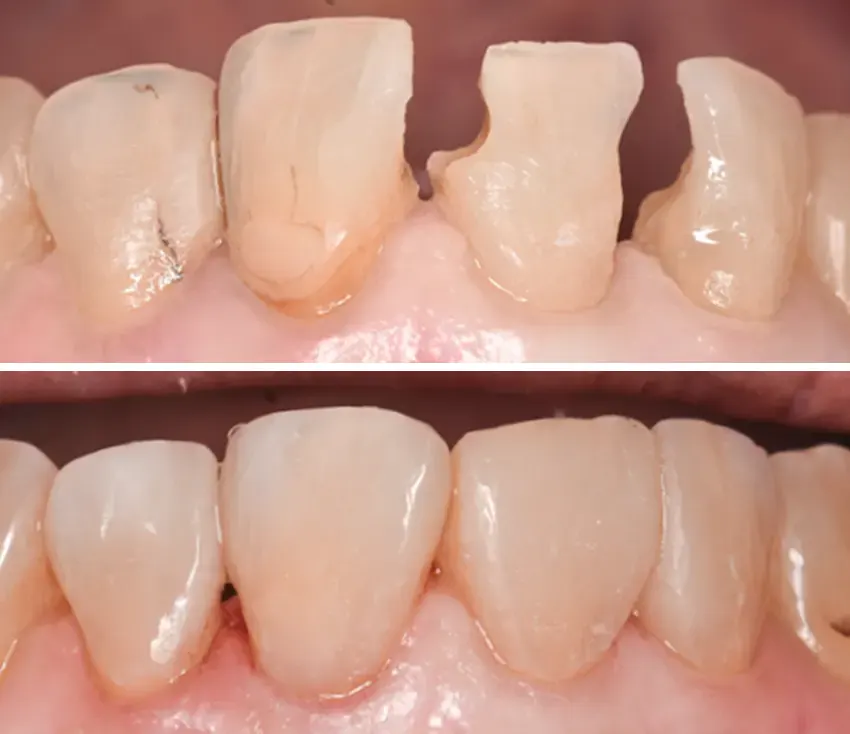
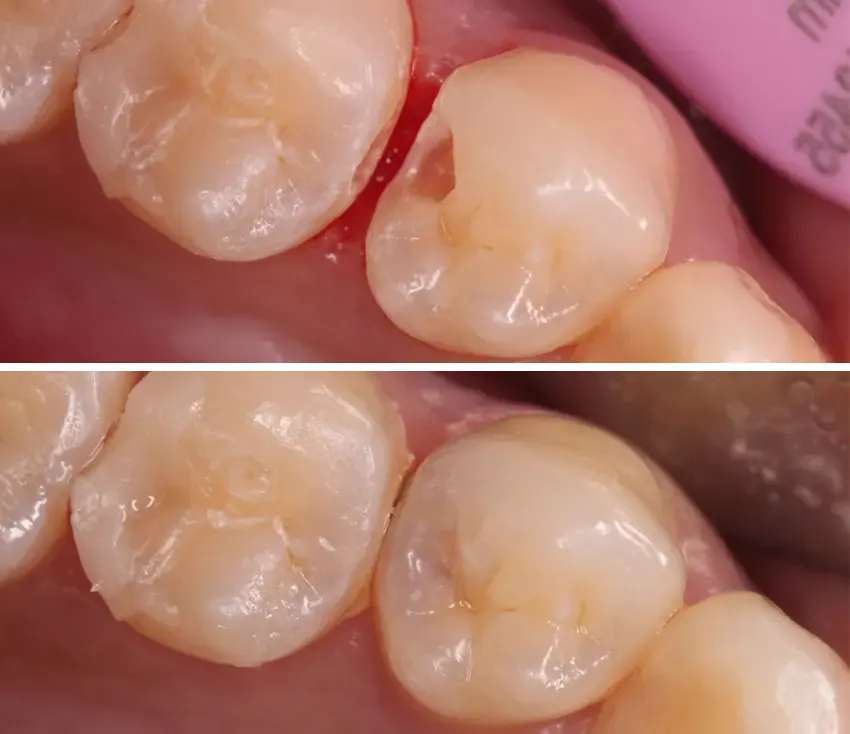
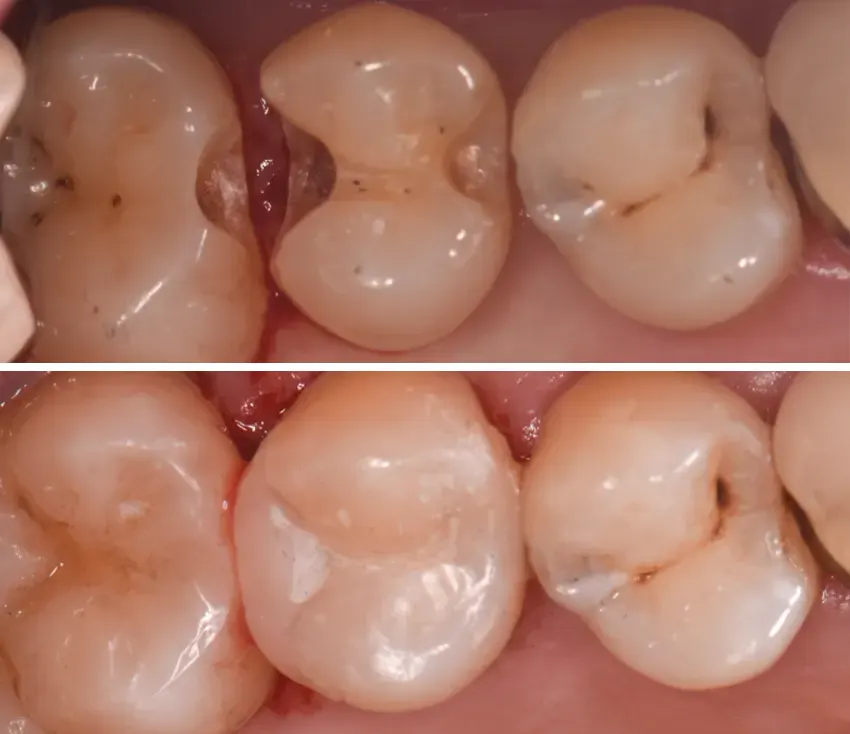
Composite resin is one of the most commonly used filling materials today because its color closely resembles natural teeth, making the result look more aesthetic and natural.
This type of filling is often chosen by patients who want fillings that are less noticeable when smiling or speaking.
Composite fillings can be used for:
- Front teeth fillings
- Back teeth fillings
- Small to moderate cavities
- Visible areas when smiling
Besides their natural appearance, composite materials also allow dentists to preserve more healthy tooth structure during treatment. In other words, less healthy tooth tissue needs to be removed.
As dentists, preserving as much natural tooth structure as possible is an important principle in modern restorative dentistry because it helps maintain long-term tooth strength and function.
Modern composite materials have also improved significantly in both durability and aesthetics, allowing fillings to blend more naturally with surrounding teeth while remaining comfortable for everyday use.
Why Can a Filled Tooth Hurt Again?
In some cases, a filled tooth may still become sensitive or painful again later. This often worries patients, especially if the filling was done quite some time ago.
As dentists, some of the most common causes we encounter include:
- Cavities that were already very deep
- Old fillings starting to leak or lose their seal
- Small cracks in the tooth
- Uneven bite pressure
- Inflammation of the dental nerve
Sometimes discomfort only appears when chewing, drinking something cold, or when the tooth is placed under pressure.
That is why a thorough examination before treatment is important to help determine the condition of the tooth and the most suitable treatment approach.
What Happens If a Cavity Is Left Untreated?
Cavities usually do not heal on their own. Tooth decay can slowly spread from the outer layer of the tooth into the dental nerve.
At first, symptoms may feel mild, such as slight sensitivity or food frequently getting stuck. Over time, however, the condition may progress into:
- More intense tooth pain
- Tooth infection
- Dental abscess or gum swelling
- Larger tooth damage
- Permanent tooth loss
In some cases, treatment may eventually become more complex, such as root canal treatment or even tooth extraction.
As dentists, we often see patients come in when the pain has already become severe, even though the cavity could have been treated much more simply earlier on.
The earlier a cavity is treated, the greater the chance of preserving the natural tooth structure.
How Long Do Fillings Last?
The longevity of a dental filling depends on:
- The size of the cavity
- The tooth location
- Chewing habits
- Daily oral hygiene
With good care and oral hygiene, fillings can last for many years. Regular checkups are still important to ensure the filling remains in good condition and free from leakage.
What Should You Expect After a Filling?
After a filling procedure, some patients may experience temporary mild sensitivity.
Aftercare recommendations include:
- Avoid hard foods immediately after treatment
- Maintain good oral hygiene
- Avoid biting hard objects
- Attend routine dental checkups
If pain persists or worsens, further evaluation may be necessary.
The Tooth Filling Approach at PUTIH Dental
At PUTIH Dental, tooth fillings are performed with a more modern, detailed, and minimally invasive approach.
The focus is not only to close the cavity, but also to preserve as much natural tooth structure as possible to maintain long-term comfort and function.
During the procedure, dentists use dental loupes to enhance visibility and precision. This allows damaged areas to be cleaned more accurately without removing excessive healthy tooth structure.
This approach helps create fillings that are:
- More precise and seamless
- More natural-looking
- Comfortable for daily use
- Designed for better long-term durability
From an aesthetic perspective, the filling’s color and shape are carefully matched to blend naturally with surrounding teeth. In many cases, the filling is barely noticeable when smiling or speaking.
In addition, the filling materials used at PUTIH Dental meet international standards and use BPA-free composite materials to help ensure quality, safety, and comfort throughout the treatment
Consult Now
Other Treatments
Scaling
Basic Treatment

Whitening
Basic Treatment
Dental Fillings
Restoration

Braces & Clear Aligner
Orthodontics